You Body is not for sale
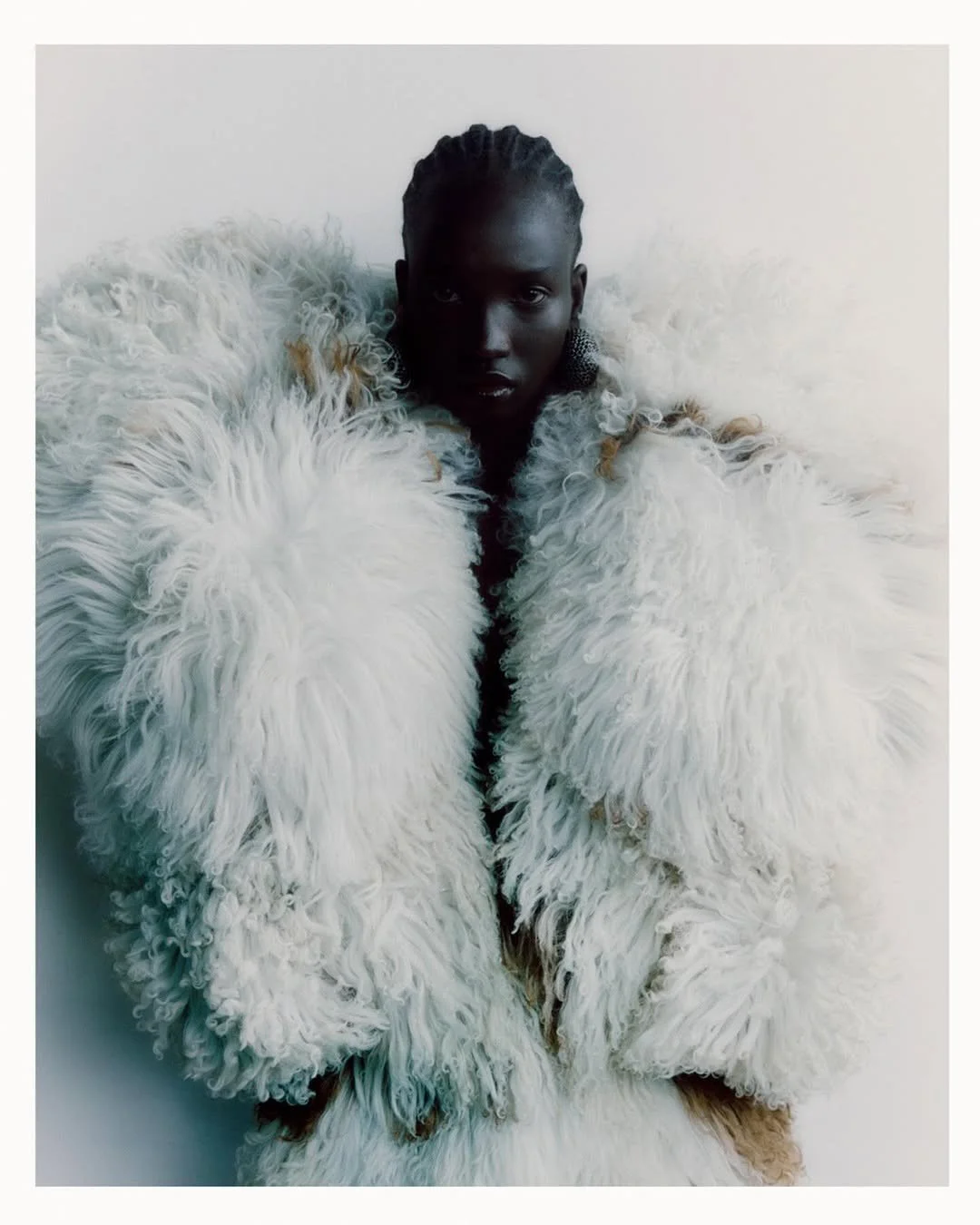
Photo: Hördur Ingason
Your body is more than skin, more than blood, more than the metrics of a measuring tape or the algorithms of desire. Your body is a soul in motion — a sacred vessel of identity, belonging, memory, and creativity. And yet, the fashion industry — driven by capitalism’s hunger for control — insists on diminishing that truth. Every time it tries to sell us self-worth through a size label, or wholeness through a seasonal trend, it is committing an act of psychic violence. This is not just a branding issue. This is spiritual warfare masquerading as advertising.
Let’s not be naïve about where this culture of body perfection comes from. The idea that certain bodies are inherently more valuable, more beautiful, more desirable — and that others are less-than — has a violent history. Francis Galton, the 19th-century English statistician and half-cousin of Charles Darwin, was one of the earliest architects of eugenics — a pseudo-scientific belief system designed to ‘improve’ the human race by controlling reproduction. Galton coined the term itself and laid the groundwork for theories that would later be taken to horrific extremes by fascist regimes, most notably Nazi Germany, which sought to eradicate those deemed “unfit” — the disabled, the Jewish, the queer, the racially 'impure', the non-conforming.

Photo: Aaron Leon
These ideas didn’t just stay in academic papers. They seeped into media, marketing, and culture, setting rigid standards for what a "valuable" body looks like: thin, white, able-bodied, cisgender, young. Beauty, in this worldview, is not about expression — it is about control. And that legacy lives on, disturbingly, in modern fashion marketing.
Take the recent cultural obsession with actress Sydney Sweeney, held up as a modern beauty ideal in the American Eagle ads. She’s blonde, curvaceous, yet slim — and white. She’s often praised for having a “natural” body in an age of BBLs and filters. But let’s be honest: this aesthetic still fits perfectly within the boundaries of colonial, eugenicist beauty — white enough, slim enough, hyper-feminine enough, palatable to the male gaze. She’s considered “refreshing” because she doesn’t try too hard — a dangerous narrative that shames those who can’t access that kind of effortless acceptance. It is still the old blueprint: the Aryan-adjacent fantasy wrapped in 2020s gloss.

Sydney Sweeney by Tyrell Hampton
A few years ago, I walked into a Brandy Melville store — a brand notoriously known for selling “one-size” clothing. But that one size? wasn’t for everyone. It was made to fit a very specific body: slim, petite, and overwhelmingly white. The store was styled like a teenage dream — soft lighting, minimalist aesthetics, Americana preppy cool. But what I saw unfolding around me was anything but dreamy.
A young girl — maybe 14 — was crying in the fitting room. The clothes didn’t fit her. Her face said what her body couldn’t: I don’t belong here. And yet, my own teenagers were obsessed with the brand. They weren’t oblivious to the exclusion — they just wanted to belong badly enough to try anyway. This is not just a bad shopping experience. This is somatic imprinting — embedding the message into young bodies that if you don’t fit, you’re not worthy of style, visibility, or beauty. That your self-expression must be earned through compliance.
It’s a message that echoes the eugenicist past and underwrites our fashion present.
So many of my clients carry this wound. Many have opted out of fashion care altogether. Not because they don’t want to be seen — but because they’ve been trained to believe they have no right to be. They tell me stories of hiding in shapeless clothes, afraid to be ridiculed, policed by the omnipresent male (and sometimes female) gaze. They’re afraid to take up aesthetic space. They've internalised the lie that style is for others — for thinner people, for whiter people, for cooler people. Not for them. But the truth is: fashion didn’t reject them — the system did. And in that rejection, they have dimmed their radiance, denied their right to adornment, and covered their souls in neutrals that mute who they really are.
As activist and poet Sonya Renee Taylor writes in her groundbreaking book The Body is Not an Apology:
“We have been taught to hate our bodies — not because we hate them but because someone profits from our self-loathing.”
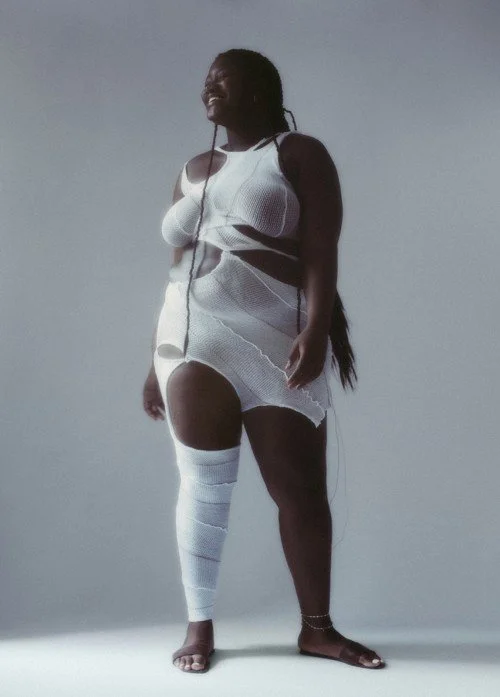
Photo: Pascale Arnaud
This is not accidental. It’s by design. Fashion brands create the wound and then sell us the plaster. They market insecurity and call it empowerment. But the antidote isn’t more product — it’s more permission.
Permission to return to adornment as a sacred practice.
Permission to dress not to be consumed but to be expressed.
Permission to create, not conform.
So what now? We reclaim. We stop looking to brands to give us a sense of style and start listening to what our soul wants to wear. We let our body’s wisdom — not trend cycles — lead the way. We allow fashion to be somatic, ancestral, intuitive, spiritual.
Ask yourself:
What does your soul feel most alive in?
What would you wear if there were no threat of ridicule?
If the gaze were not weaponised against you, who would you become
This is the work of soul styling. This is the new fashion frontier. And for me — and for so many of us — it’s a massive, resounding no to brands that prey on the parts of us that still ache to be enough. We’ve played that game. We’re not playing anymore.
We’re not here to pretend and perform.
We are here to adorn.